


Industry Insights
Words of wisdom from our business insurance experts.
EDP Insurance vs. Cyber Liability: Which Do You Actually Need?
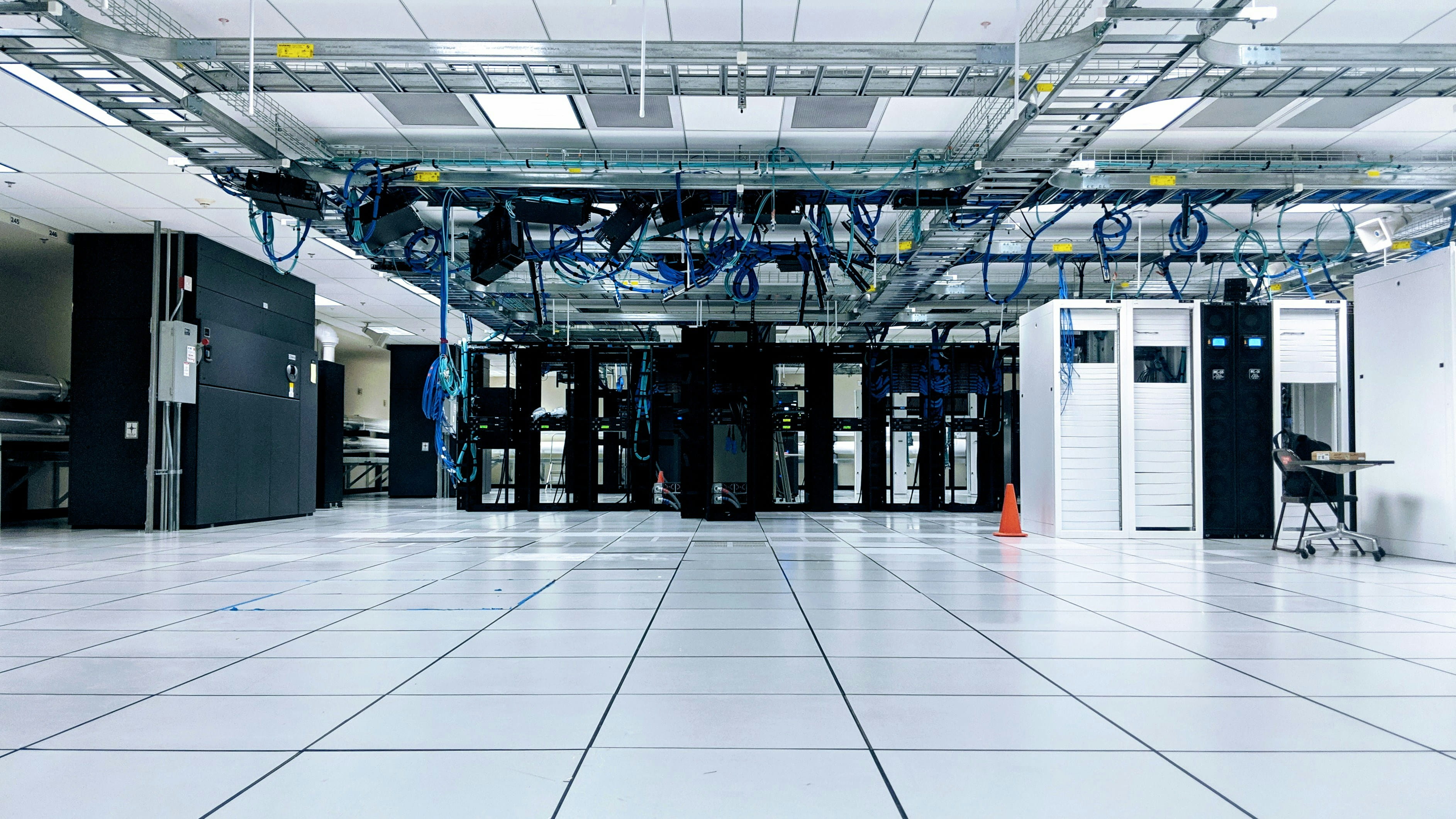
Most business owners we talk to have been sold “cyber insurance” at some point. Far fewer have ever heard the phrase electronic data processing insurance —and that gap is where a lot of expensive surprises live.
Here’s the thing nobody explains at the point of sale. Cyber liability is real, useful coverage. But it was never designed to replace a server. If your business runs on technology — a rack in a back room, a POS system at the counter, workstations full of client files — there’s a second, older, decidedly less glamorous coverage built to handle the part cyber leaves out. That’s EDP.
The two get lumped together constantly. They shouldn’t be. They respond to different disasters, pay out on different claims, and protect different corners of your business.
Quick answer: EDP insurance covers physical damage to your computer hardware, systems, and the data on them— a fried server, a flooded rack, a power surge that wipes a drive. Cyber liability covers digital attacks and data breaches — hackers, ransomware, and the lawsuits that follow when customer data leaks. Most companies that depend on their data need both, because there’s usually little overlap between the two.
One caveat before we go further, because it matters: exact coverage always depends on the carrier, the policy form, and the endorsements attached to it. In most programs EDP handles physical tech loss while cyber handles malicious digital events and their fallout — but the wording on your policy is what settles any given claim. Keep that in mind as you read.
What is EDP insurance, in plain English?
Electronic data processing insurance (EDP) is specialized property coverage built for computer equipment, media, and electronic data — often filling gaps left by standard commercial property forms. It responds when that technology is damaged or destroyed by a covered peril.
Why does it exist as its own thing? Because standard property policies weren’t written with technology in mind. They’ll happily replace your desks and your inventory, but they frequently limit “electronic data,” cap specialized computer equipment, or overlook the technology-specific causes of loss that actually take systems down. EDP is designed to supplement commercial property and close those gaps.
A lightning strike sends a surge through your building and cooks three servers, along with the customer database sitting on them. No hacker. No breach. Nothing digital happened at all — and yet you’re out the hardware and the data. That’s the claim EDP was built to pay.
What does electronic data processing insurance cover for businesses?
An EDP policy generally responds to sudden, accidental physical loss involving your systems. In most forms, that includes:
The common thread is physical. Something happened to your equipment or the data living on it, and EDP pays to make you whole. It’s why the coverage is sometimes sold as “computer coverage,” and why it’s usually added as an endorsement to a Business Owners Policy or commercial property policy rather than bought on its own.
What is cyber liability insurance?
Cyber liability insurance covers the fallout from digital threats — data breaches, hacking,ransomware, and the legal and regulatory mess that follows when sensitive information gets exposed or stolen.
Where EDP is about the physical and the operational, cyber is about the malicious and the digital. It’s also where third-party liability shows up. If a customer’s card numbers or a patient’s records leak on your watch, cyber is the coverage that answers the lawsuits, the regulators, and the cleanup bill.
A typical cyber liability policy covers:
- Breach response — forensic investigation, customer notification, and credit monitoring after an incident
- Third-party liability — lawsuits from customers or partners whose data was exposed,plus defense costs
- Regulatory exposure — certain insurable fines and penalties tied to privacy rules like HIPAA, CCPA, or GDPR
- Cyber extortion — ransomware payments and negotiation
- Business interruption — lost income when a cyberattack takes your systems offline
A hacker slips through an unpatched vulnerability, encrypts everything, and demands $80,000. A traditional EDP policy typically would not respond to that loss — no physical peril occurred.Your cyber policy is the one built for it.
Electronic data processing insurance vs. cyber insurance: the real difference
Side by side, here’s the line the two coverages are drawn around.
The shorthand: EDP asks “what happened to my equipment?” Cyber asks “who got into my data, and who’s coming after me for it?” The two rarely overlap, which is exactly why leaning on one to do the other’s job tends to backfire — and it usually backfires at claim time, when it’s too late to fix.
One gray area is worth flagging: cyber-caused physical damage. The market has spent the last few years wrestling with “silent cyber,”and some property carriers now address cyber-triggered property loss more explicitly than they used to. So while a purely digital event is normally a cyber matter, the treatment of a cyber event that causes direct physical damage still comes down to the specific form. If that scenario is a real exposure for you, it’s a question worth asking your advisor directly.
“But doesn’t my cyber policy cover data loss?”
This is the most common — and most expensive — misconception we run into.
Cyber policies do cover data loss caused by a cyber event. Ransomware corrupts your files? Cyber responds. But if a power surge, a flood, a dropped server, or plain old hardware failure destroys that same data, there was no cyber event — and most cyber policies won’t be the ones to pay. That’s a property loss. It belongs to EDP.
It cuts the other way too. EDP will rebuild the data on a destroyed drive. It does nothing about the class action filed by the customers whose information was on that drive if it also leaked. That’s third-party liability, and only cyber responds.
We’ve seen a retailer assume their cyber policy would cover a power-surge hardware loss. It didn’t — no breach, no cyber trigger — and the hardware and lost sales data came out of pocket. We’ve also seen the reverse: a firm with solid EDP on its equipment but no meaningful cyber response coverage, staring down a ransomware demand with the wrong policy in hand.
The gap between the two isn’t theoretical. It’s the precise space where uncovered claims fall through — a data loss that wasn’t a breach, or a breach that didn’t scratch a single piece of equipment.
Where does “errors” liability fit in? (EDP vs. E&O)
One more knot to untangle: data processing insurance coverage for errors and liability is not the same thing as EDP.
Say your business processes data for clients — a payroll processor, a SaaS platform, an IT services shop — and a mistake on your end costs a client money. That’s a professional services failure. If a service mistake causes a client a financial loss, that’s usually a Tech E&O issue first — not an EDP claim, and not a standard cyber liability claim on its own (though some cyber forms fold in related features depending on wording).
So there are really three distinct risks hiding under “our business runs on data”:
- The equipment and data themselves get physically damaged → EDP insurance
- The data gets breached or held hostage → Cyber liability
- You make a professional error handling someone else’s data → E&O / Tech E&O
Companies that handle sensitive data at scale often need all three, stitched together with no daylight between them.
EDP insurance for companies with sensitive data systems
If your operation leans on specialized or hard-to-replace technology, EDP stops being optional. The businesses that feel its absence most sharply:
- Restaurants, retail, and hospitality — POS systems, payment terminals, and back-office servers that one surge or one spilled drink can take out
- Medical, dental, and health-tech practices — imaging equipment and EHR systems where lost data means lost patient records
- Financial and professional services firms — workstations and servers full of client files that would cost a fortune to rebuild from scratch
- Anyone running an on-premise server room or data-heavy setup — where the hardware and the data on it blow past a standard property limit
Simple test: if losing your systems for a week — or losing the data on them for good — would genuinely hurt, EDP is the coverage that gets you running again.
How to check whether your policies cover the gap
You don’t need to be an underwriter to spot the obvious holes. Pull your policies and walk through this:
- Read the declarations and endorsements on your property or BOP policy for EDP, “computer coverage,” “electronic data,” extra expense, and business interruption language. If none of it appears, assume the gap is real until proven otherwise.
- Check what your cyber coverage actually includes — first-party incident response, business interruption, ransomware and extortion, and third-party liability. A cyber policy in name isn’t the same as a cyber policy that pays.
- Compare the sublimits for hardware replacement, data restoration, and downtime. This is where “covered” quietly turns into “covered up to an amount that won’t help.”
- Confirm how exclusions treat cloud systems, outsourced vendors, and cyber-caused physical damage. These are the corners where coverage tends to disappear.
If a line item on that list makes you pause, that’s your signal to get a second set of eyes on it.
So which do you actually need?
For most companies that store, process, or lean on data, the honest answer is both — because the two cover mirror-image risks:
- You likely need EDP if physical damage to your hardware, or the destruction of your data, would set you back financially. For almost everyone, it would.
- You likely need cyber liability if you hold customer or employee data that could be breached, or if an attack could knock your operations offline.
Buying one and skipping the other doesn’t really save money.It just relocates the risk onto your own balance sheet, quietly, until the day something goes wrong. The good news: EDP often rides along inexpensively on a Business Owners Policy, while cyber is priced separately — so closing both gaps rarely means tearing up your whole program.
The Bottom Line
EDP and cyber liability sound like the same product because they both involve computers and data. They aren’t. EDP is property coverage for the physical technology you own and the data on it. Cyber liability is protection against digital attacks and the lawsuits that follow a breach. One rebuilds your systems after a fire or a surge. The other defends you after a hack.
Relying on a single policy to do both jobs is how businesses find their coverage gap the hard way — mid-claim. For most companies that run on data, the right move isn’t “EDP or cyber.” It’s making sure both are in place, and that nothing falls through the seam between them.
Want to know whether you’d actually be covered — or just think you would be? Send over your property declarations page and your cyber policy summary, and a Fullsteam advisor will map exactly where hardware loss, data restoration, and breach liability are covered today —and where they aren’t.
Get a free coverage review from a Fullsteam advisor.
Frequently Asked Questions
What is the difference between EDP insurance and cyber insurance?
EDP (electronic data processing) insurance is property coverage that pays to repair or replace computer hardware, systems, and data physically damaged by perils like fire, flood, power surge, breakdown, or theft. Cyber insurance covers digital threats — data breaches, hacking, ransomware — and the third-party lawsuits and regulatory costs that follow. In short: EDP handles physical damage to your systems, cyber handles attacks on your data. Exact treatment depends on the wording of each policy, not just the label on the coverage.
What does electronic data processing insurance cover for businesses?
EDP generally covers the cost to repair or replace damaged computer equipment, servers, media, and software, plus the cost to reproduce or restore lost data and business interruption while systems are down — as long as the loss stems from a covered physical peril like fire, water, surge,breakdown, or theft. Sublimits for hardware and data restoration vary widely, so the dollar figures on your declarations page matter as much as the coverage itself.
Does cyber liability insurance cover damaged hardware?
Usually not. Cyber liability responds to breaches, hacking, and ransomware, but it typically does not pay to replace hardware damaged by a fire, flood, or power surge. That physical loss generally falls to EDP or commercial property insurance. The one area to watch is cyber-caused physical damage, which some property forms now address more explicitly.
Do I need both EDP and cyber liability insurance?
Most companies that process or store sensitive data benefit from both, because they cover opposite risks — physical damage versus digital attack — with little overlap. Carrying only one tends to leave a meaningful gap. The right mix still depends on your systems, your data, and the exposures specific to your business.
Is EDP insurance the same as data processing errors and omissions coverage?
No. EDP covers physical damage to your own equipment and data. If you make a professional mistake processing data for a client, that’s usually a Tech E&O matter — not EDP, and not standard cyber liability on its own. If you deliver data services to clients, E&O is the policy that belongs at the center of that conversation.



.jpg)
management specialist